
When to Go Birdwatching in the UK: A Month-by-Month Seasonal Guide
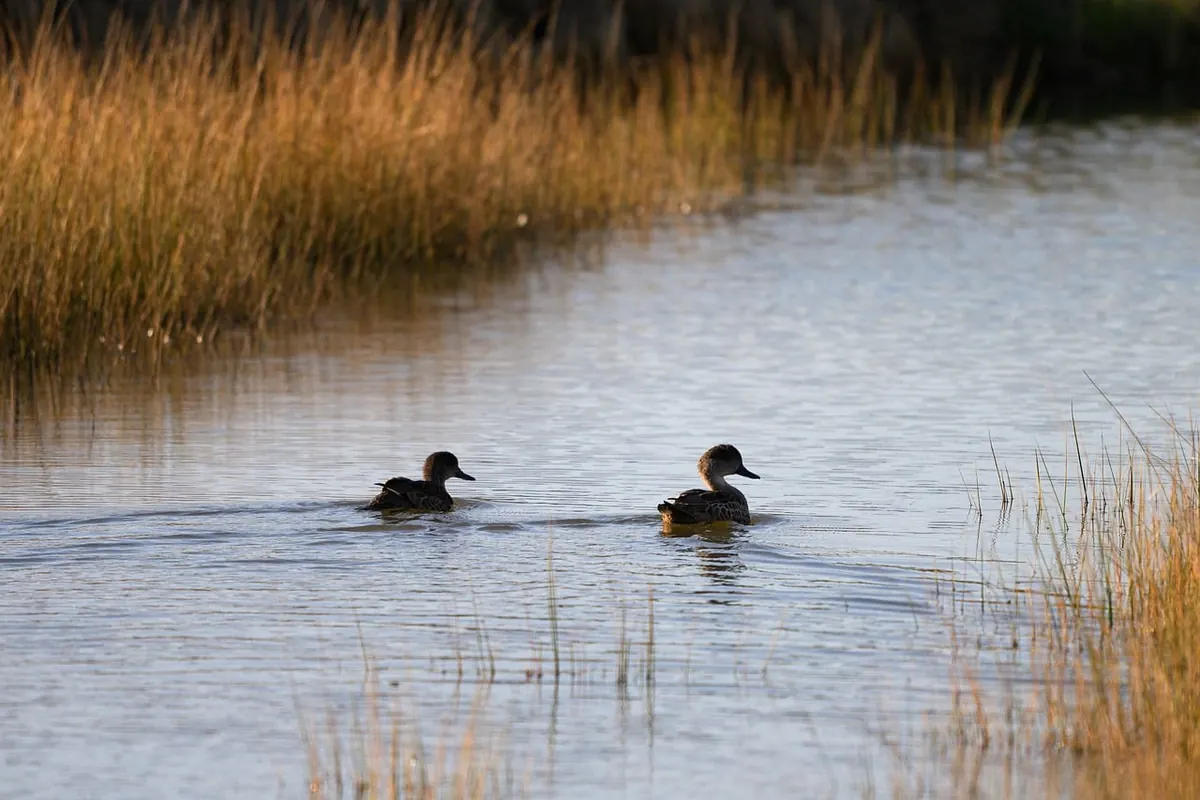
When to Go Birdwatching in the UK: A Month-by-Month Seasonal Guide
Britain's birding year does not really run from January to December. It runs from one arrival to the next. The first wheatears appear on southern clifftops while frost still hardens the ground, and swifts are screaming over the rooftops barely a fortnight before returning waders drop into coastal lagoons. Knowing what is moving, and when, turns a pleasant walk into something closer to a treasure hunt.
What follows is a rough map of the year. Dates shift with the weather, and birds in Cornwall are not doing the same thing as birds in Caithness, but the shape of the seasons holds true.
Winter: cold, quiet and full of birds
December to February looks like the dead season and is anything but. This is when wetland bird numbers peak, because many of the birds are not British at all. They have come here to escape harder winters further north and east.
Estuaries are the place to start. On a rising tide, wader flocks are pushed off the mudflats and into range of a hide: knot in tight swirling packs, dunlin, grey plover, bar-tailed godwit, plus brent geese grazing the saltmarsh. Inland, gravel pits and reservoirs hold goldeneye, goosander and, in a hard snap, smew. Whooper swans arrive from Iceland, and a few traditional sites still host small herds of Bewick's swans.
Hard frost has its advantages. Frozen reedbeds push bitterns out to the edges, where a patient hour at Minsmere, Stodmarsh or Leighton Moss can produce a view of a bird most people only ever hear. On coastal marshes, short-eared owls and hen harriers gather at communal roosts and hunt the last hour of daylight.
Some winters bring waxwings. When the berry crop fails in Scandinavia, flocks cross the North Sea and strip rowan and cotoneaster from car parks and roundabouts. Check local bird news before a special journey; in a poor year you may not see one at all.
Inland woods and farmland have their own winter character. Mixed tit flocks drift through the bare branches, often with goldcrest, treecreeper and nuthatch in tow. Stubble fields attract brambling and redpoll, while redwings and fieldfares strip hedgerows after a sharp frost. In the uplands, look for flocks of twite and snow bunting along the coast, and listen for the thin calls of crossbills in old pinewoods.
Winter is also the season for wildfowl spectacles. At sites such as the Ouse Washes, Martin Mere and Loch Leven, thousands of ducks, swans and geese concentrate on flooded fields and shallow lagoons. The sight of a pink-footed goose roost lifting at dawn, or a peregrine scattering a raft of teal, is as dramatic as anything summer offers.
Spring: the great arrival
Spring builds slowly and then all at once. March brings chiffchaffs, sand martins and the first wheatears, along with avocets returning to coastal lagoons and ospreys to Rutland Water and a handful of Scottish lochs. April adds blackcaps, willow warblers, swallows and, from mid-month, the first cuckoos. Ring ouzels pass through on their way to higher ground.
May repays any effort you put in. Swifts arrive in the first days of the month, nightingales and garden warblers are in full song, and spotted flycatchers and wood warblers can be found in western oak woods and mature parks. Get out before sunrise at least once: the dawn chorus in the first half of May is the best free concert in the country. Seabird colonies come alive too, with puffins, guillemots and razorbills back on the cliffs by late April. A spell of easterly wind in late April and early May can produce a fall of migrants on the east coast: redstarts, pied flycatchers, whinchats and, if you are lucky, a hoopoe or bluethroat. These are the days when a scrubby hedge beside a car park can hold more birds than a nature reserve.
Watch the weather maps. A band of rain moving across the North Sea overnight, followed by a clear morning, is the classic recipe for a fall. Head to hotspots such as Spurn, Flamborough, Filey, Holme and Gibraltar Point. On the west coast, islands like Bardsey and Skokholm can be equally rewarding when the wind swings into the southwest.
Summer: breeding, fledging and the first returners
June and July are about breeding birds, long days and early starts. Dawn is brutally early, but the rewards are real: nightjars churring on heathland, woodcock roding over woodland rides, and cuckoos still calling from exposed perches. Upland areas hold ring ouzel, twite and golden plover, while lowland reedbeds ring with the booming of bitterns and the pig-like squeal of water rails.
Seabird cities are at their best. Bempton Cliffs, the Farne Islands, Skomer and the Scottish islands offer close views of puffins, razorbills, guillemots, kittiwakes and, in some places, storm petrels. Boat trips add shearwaters, skuas and sometimes cetaceans. Even a quiet afternoon seawatching from a headland can produce Manx shearwaters, gannets and a passing Arctic skua.
From late June, the first southbound waders appear. Green sandpipers, wood sandpipers, ruff and black-tailed godwits drop into shallow pools. By August, the autumn passage is already under way, with curlew sandpipers, little stints and spotted redshanks joining the mix. Summer is not an end, but a turning point.
Autumn: the big migration
Autumn is the longest and most exciting season. It begins in July with returning waders and ends in November with arriving geese and winter thrushes. September is often the peak for visible migration: pipits, wagtails, finches and buntings streaming south over headlands, while drift migrants such as wryneck, barred warbler and red-breasted flycatcher appear after easterly winds.
October brings yellow-browed warblers, often in coastal willows, and the chance of something rarer from Siberia. Redwings and fieldfares arrive from Scandinavia, and estuaries fill with brent geese, pintail and golden plover. November is quieter but still capable of surprises: a late swallow, a desert wheatear, or a great northern diver on a sheltered bay.
Weather is everything in autumn. A northeasterly airstream can produce a classic east coast fall, while westerlies push seabirds close inshore. Keep an eye on bird news, but do not be afraid to walk a likely hedgerow, a coastal strip or a reservoir edge on spec. The best birders are often the ones who put in the hours when conditions look promising.
Month-by-month at a glance
- January: Peak wildfowl and wader numbers; estuaries, reservoirs and reedbeds.
- February: Bitterns, harriers and short-eared owls; early signs of spring in mild years.
- March: Chiffchaffs, sand martins, wheatears, avocets and returning ospreys.
- April: Blackcaps, willow warblers, swallows, cuckoos and ring ouzels; seabirds return.
- May: Swifts, nightingales, dawn chorus, migration falls and breeding seabird colonies.
- June: Nightjars, woodcock, upland waders and peak seabird activity.
- July: Fledglings, first returning waders and early autumn passage.
- August: Wader passage builds; seawatching for shearwaters and skuas.
- September: Visible migration, drift migrants and peak wader diversity.
- October: Yellow-browed warblers, redwings, fieldfares and arriving geese.
- November: Winter wildfowl return; late rarities and coastal divers.
- December: Estuary spectacles, woodland flocks and winter roosts.
Practical timing tips
- Go early. Birds are most active in the first few hours after dawn, and many reserves are quietest then.
- Follow the tide. On estuaries, a rising tide pushes waders closer. Check tide tables before you travel.
- Watch the wind. Easterlies in spring and autumn bring migrants; strong onshore winds bring seabirds closer.
- Check local bird news. It can save a wasted journey, but do not let it stop you exploring.
- Give birds space. Stay on paths, keep dogs under control and never disturb roosts or nesting colonies.
The best birdwatching days are rarely the most comfortable ones. A cold northeasterly, a rising tide and a grey sky often mean birds are on the move.
In the end, the UK birding year is less a calendar than a set of overlapping stories. Winter visitors are still present as the first summer migrants arrive. Autumn passage begins before summer has finished. Go often, go curious, and the next arrival is always just around the corner.
Photo: pen_ash / Pixabay