
How to Start Birdwatching in the UK: A Beginner's Guide to Kit, Etiquette and First Trips
A grey heron, motionless in the shallows of a canal you have walked past a hundred times. A party of long-tailed tits tumbling through a hedgerow like a handful of thrown feathers. Starting birdwatching is mostly a matter of slowing down in places you already know, then giving yourself a few simple tools to see what was there all along. You do not need expensive equipment, a car or a life list. You need binoculars you can hold steady, some patience, and a rough idea of what you are looking at.
The kit that actually matters
Binoculars come first; almost everything else can wait. The most common recommendation for general British birdwatching is 8x42 — eight times magnification with 42mm lenses. They let in plenty of light on dull mornings, give a wide enough view to follow a warbler through a bush, and stay comfortable around your neck for a few hours. Smaller 8x32 models suit long walks and smaller hands. The 10x42 option adds reach but narrows the view and magnifies every wobble, especially in wind.
Spend what you can comfortably afford, and try before you buy. A hide at a local reserve, a bird club meeting or a decent optics shop will let you compare several pairs in an afternoon. Well-kept second-hand binoculars are often better value than new ones at the same price. Cheap zoom models are worth avoiding: the image tends to be dim and soft at the magnification you actually want.
After binoculars, the essentials are modest.
- A field guide. The Collins Bird Guide is the standard British and European reference. Smaller photographic guides fit a pocket more easily but are less precise on difficult species.
- Something to record with. A notebook, or an app such as BirdTrack or eBird. Merlin's sound identifier is handy for checking a call, though it is no substitute for learning songs yourself.
- Clothing for standing still. Birdwatching involves more waiting than walking. Layers, a waterproof jacket, wellies or sturdy boots and, in winter, gloves you can work binoculars in. Bright colours will not stop you seeing birds, but rustling fabrics are best avoided near a hide window.
Learning to look and listen
Most beginners try to identify a bird by its colours and get stuck. Experienced birders work in a different order: size, shape, behaviour, then plumage.
A small bird climbing head-first down a tree trunk is a nuthatch; one creeping upwards is a treecreeper. A slim bird perched on a wire, tail pumping, is likely a pied wagtail. Get the shape and the movement right and you often have the family, which narrows the field to two or three possibilities.
Sound matters just as much. Most woodland birds are heard long before they are seen, and learning a handful of calls will do more for your identification than any new pair of binoculars. Learn two or three a week — robin, great tit, blue tit, blackbird, wood pigeon, chiffchaff — using the free recordings available from the RSPB and the British Trust for Ornithology. Play them at home, then test yourself outside.
Where to go on your first trips
You do not need a famous reserve. Start with a park that has mature trees and a pond, a canal towpath, a country churchyard, or the edge of a reservoir. Familiar places are easy to revisit, and revisiting is how you learn: which birds arrive in March, which vanish in September, where the sparrowhawk hunts.
Different habitats offer different birds, so vary your routes:
- Water — lakes, gravel pits, marshes and estuaries hold ducks, grebes, herons and waders.
- Woodland edge — where trees meet open ground, you get the best of both: tits, finches, woodpeckers and the occasional raptor.
- Hedgerows and scrub — whitethroats, dunnocks, yellowhammers on a summer walk.
- Farmland and moorland — skylarks, lapwings, meadow pipits, with patience and a bit of distance.
Fieldcraft: watching without disturbing
The best views come from letting birds come to you. Move slowly, stop often, and keep below the skyline rather than walking along a ridge. Sudden movement alarms birds far more than steady noise does, so a quiet, deliberate approach beats creeping about theatrically.
Keep your distance, especially between spring and late summer. In the UK, wild birds, their nests and their eggs are protected by law, and for a small number of rarer species even disturbance near a nest is an offence. If a bird is alarm-calling, circling you or pretending to have a broken wing, you are too close — retreat the way you came. Never push vegetation aside to look into a nest, and leave nest photography to people with the licences and experience for it.
Sound luring deserves caution. Playing a recording to bring a bird into view is tempting, but used repeatedly it can pull birds away from feeding or nest duties, so keep it rare and avoid it entirely in the breeding season. If you feed waterfowl, go easy: a little grain or birdseed is a better choice than a lot of bread. Keep dogs on leads where signs ask, stick to paths on heathland and clifftops where birds nest on the ground, and take everything home with you.
Hides, paths and other birders
A hide is a shared space with an unwritten set of rules. Open the door quietly, let it close gently, and give your eyes a couple of minutes to adjust before asking what is about. Avoid standing in the middle of a viewing slot, and if someone has a telescope trained on something, ask before looking through it — most people will happily step aside.
Be thoughtful about what you post online. Precise locations of scarce breeding birds can put them at risk from disturbance; many county recorders prefer you to keep such news vague or report it privately. In the field, the same manners apply: give way on narrow paths, close gates, and do not walk ahead of a group to flush a bird that others are watching.
Your first month: a simple plan
- Borrow or buy one pair of binoculars and take them on a walk you already do weekly.
- Spend the first fortnight on common birds only — learn ten really well rather than thirty vaguely.
- Visit one proper reserve to see how hides, paths and noticeboards work.
- Keep a simple list by date and place, on paper or in an app.
- Join a local bird club walk; an hour beside someone experienced teaches more than a month of guessing.
Then keep going. Go out in drizzle, in cold, on the grey days when nothing seems promising — those are often the mornings something unusual turns up. Birdwatching rewards repetition more than gear, and the same park will keep showing you new things for years.
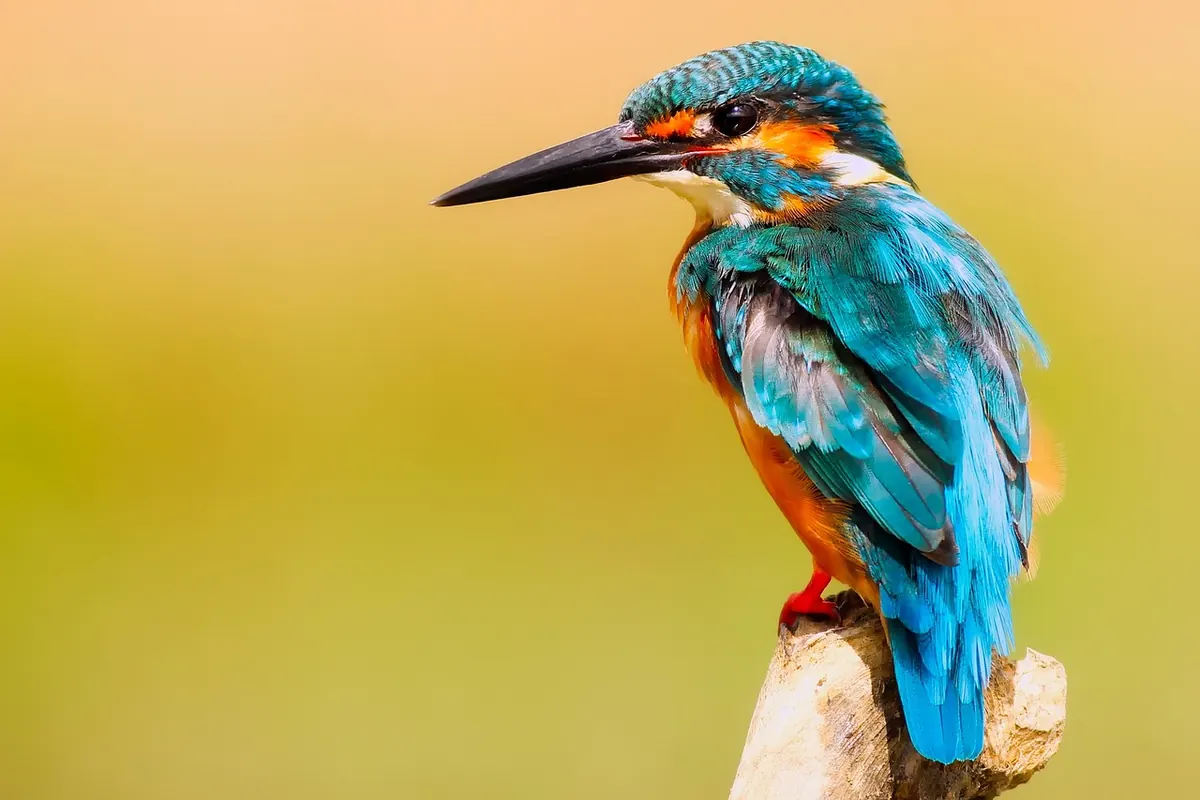
Photo: 12019 / Pixabay